
BMW X3 Brake Pads
BMW X3 brake pads are replaceable friction components that work with the calipers and rotors to slow the vehicle. Available for front or rear applications, each set must match the X3’s generation, production specifications, and factory-installed braking system.
Fresh pads can restore smooth brake engagement, reduce wear-related noise, and help prevent exposed backing plates from damaging the rotors. Genuine BMW components are manufactured with the correct shape, attachment points, and friction properties for compatible X3 models. This factory-focused design supports consistent pedal feel and proper interaction with the vehicle’s braking electronics, making accurate fitment verification an important part of the purchase.

Brake Pads


Brake Pads

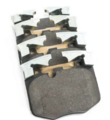
Brake Pads Front

Brake Pads Rear


Brake Pads Clip


Brake Pads Spring
No results found for "brake pad". Here are some helpful search tips:
- Search by a part name. Example: water pump.
- Be less specific. Example: brake instead of ceramic brake.
- Remove information such as make, year or model.
- Can't find the part you are looking for? Contact us and we'll find it for you!
When and How to Replace BMW X3 Brake Pads
TL;DR: Order pads for the affected axle after confirming the VIN and brake option. Do not rely only on mileage, brake dust, or a dashboard alert. A physical inspection of every pad, rotor, sensor, and caliper provides a more complete picture of what the service requires.
Brake-pad life varies widely among X3 drivers. Urban traffic, mountain routes, vehicle loading, and driving style all influence wear. Schedule an inspection if the brake-service message appears, or you notice scraping, persistent squealing, longer stopping distances, vibration, or unusual pedal behavior. Replacing worn material early may preserve usable rotors and keep a straightforward pad service from becoming a larger brake repair.
What Comes in a Brake Pad Set?
A BMW X3 brake pad set generally contains enough pads to service both wheels on one axle. Front and rear products are sold separately. Depending on the part listing, clips or other installation hardware may be included, but a wear sensor is not always supplied. Review the package contents before checkout, rather than assuming every service item arrives together.
The vehicle’s warning system may not directly monitor every individual pad. One unmonitored pad can wear differently due to a caliper or hardware issue, so a cleared dashboard message does not replace a four-corner inspection. Browse the broader BMW brake parts catalog when sensors, fasteners, or related components are also needed.
Separating Normal Brake Behavior From Wear
Heavy wheel dust by itself does not prove that the pads are defective; friction brakes naturally create residue, and the amount varies with driving conditions. A brief sound after rain or overnight parking can be due to light surface oxidation on the rotors. Noise that persists after several stops, however, warrants attention—especially when accompanied by vibration or reduced responsiveness.
Inspect the brake rotors for cracking, deep scoring, excessive corrosion, and thickness outside specification. Pulsation can originate from rotor variation rather than the pads themselves. If one wheel remains unusually hot or one pad wears much faster, examine the corresponding brake caliper before installing new friction material.
Ordering for Standard and Optional BMW Brakes
Replacement brake pads for BMW X3 vehicles can vary within the same model year. Engine version, production date, caliper type, and optional sport braking equipment may change the required part number. Confirming the VIN is more reliable than choosing by year alone. Wheel diameter should not be treated as definitive proof of the brake package because compatible BMW wheels may have been changed during the vehicle’s life.
Genuine OEM pads preserve the braking characteristics BMW selected for the matching hardware. Compared with universal or economy aftermarket formulations, they offer known compatibility with the original caliper contact points, rotors, and wear-monitoring components.
Key Takeaways
- Service both wheels on the same axle together.
- Check whether the wear sensor and hardware are included.
- Treat persistent noise, uneven wear, and excess heat as diagnostic clues.
- Use the VIN to distinguish standard and optional brake systems.
Frequently Asked Questions
Is brake dust a sign that my pads need replacement?
No. Dust is normal; remaining thickness and overall condition provide better evidence.
Can I replace only one worn pad?
No. Pads should be renewed as an axle set to support balanced operation.
Do rear X3 brakes require special service steps?
Some configurations incorporate an electronic parking brake, so the correct service procedure and suitable diagnostic equipment may be required.